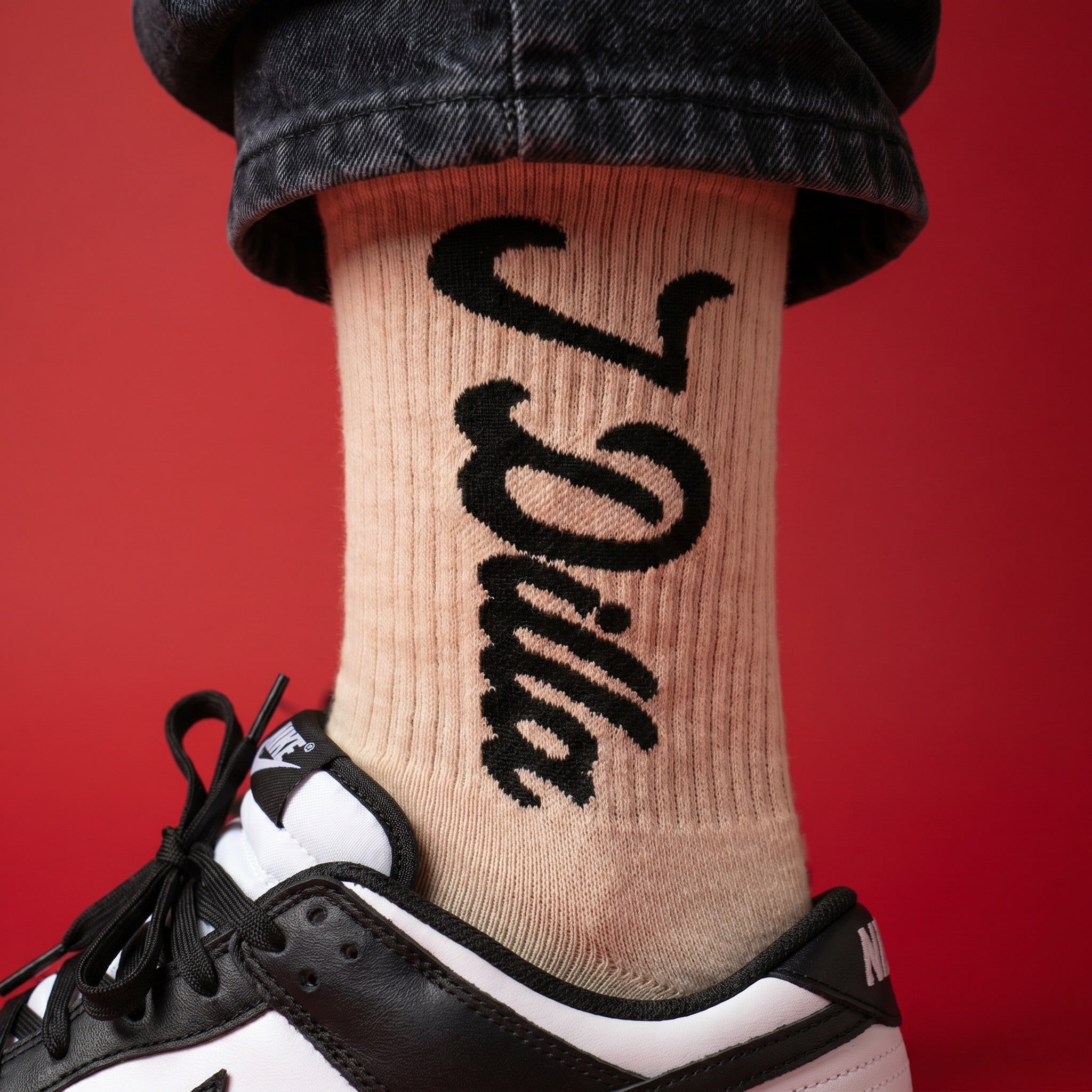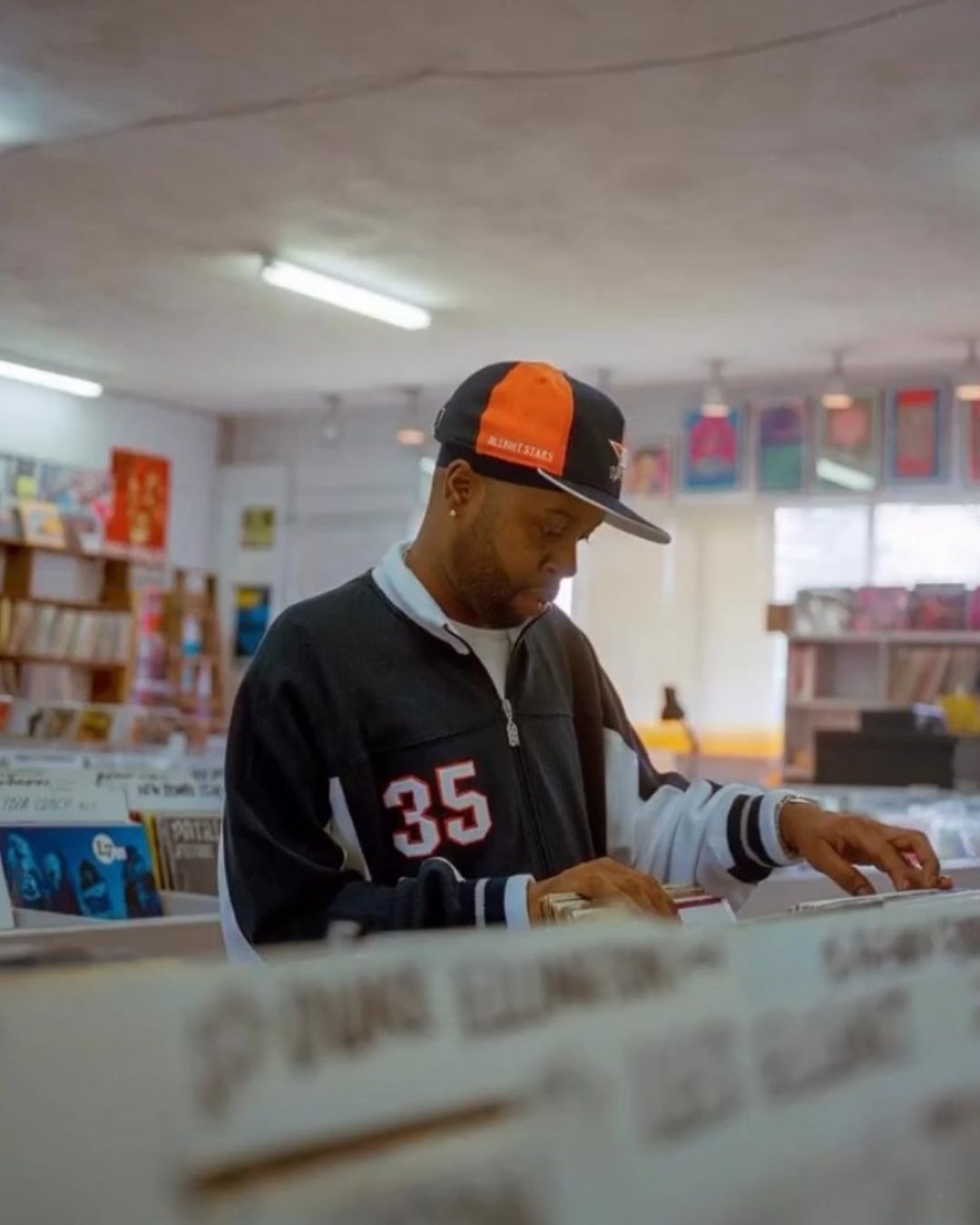
J DILLA
J Dilla is your producer's favorite producer.
James Dewitt Yancey, better known as J Dilla, was born in Detroit in 1974 and became one of the most influential producers in hip-hop history.
Working mostly on an MPC and a crate of soul records, he built beats with loose, off-grid drums that felt human and alive.
That sound changed how a whole generation thought about rhythm.
*The photo's on this page are used for journalism purpose only. All credits to the photographers who made this pictures.
J DILLA
J Dilla is your producer's favorite producer.
James Dewitt Yancey, better known as J Dilla, was born in Detroit in 1974 and became one of the most influential producers in hip-hop history.
Working mostly on an MPC and a crate of soul records, he built beats with loose, off-grid drums that felt human and alive.
That sound changed how a whole generation thought about rhythm.
*The photo's on this page are used for journalism purpose only. All credits to the photographers who made this pictures.
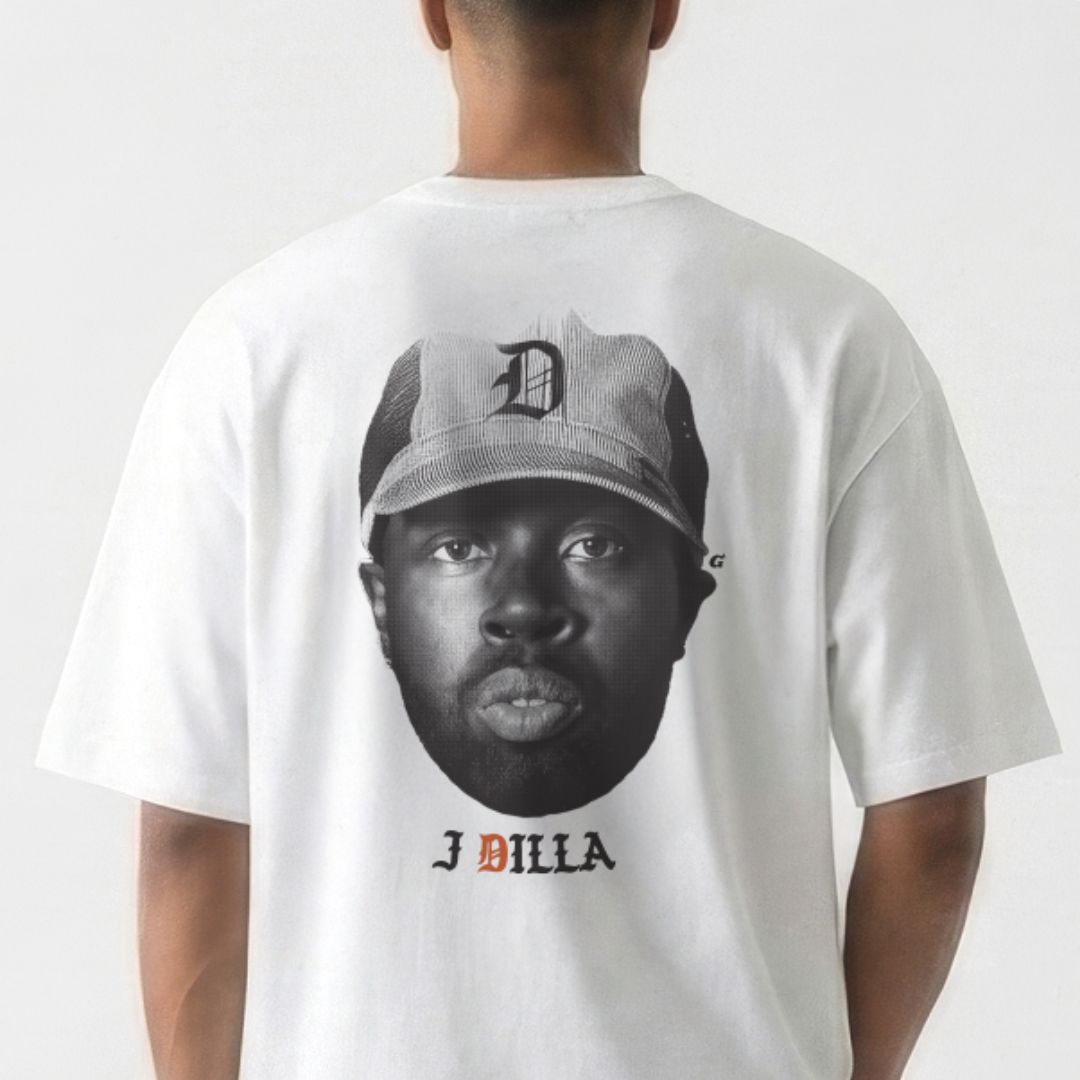
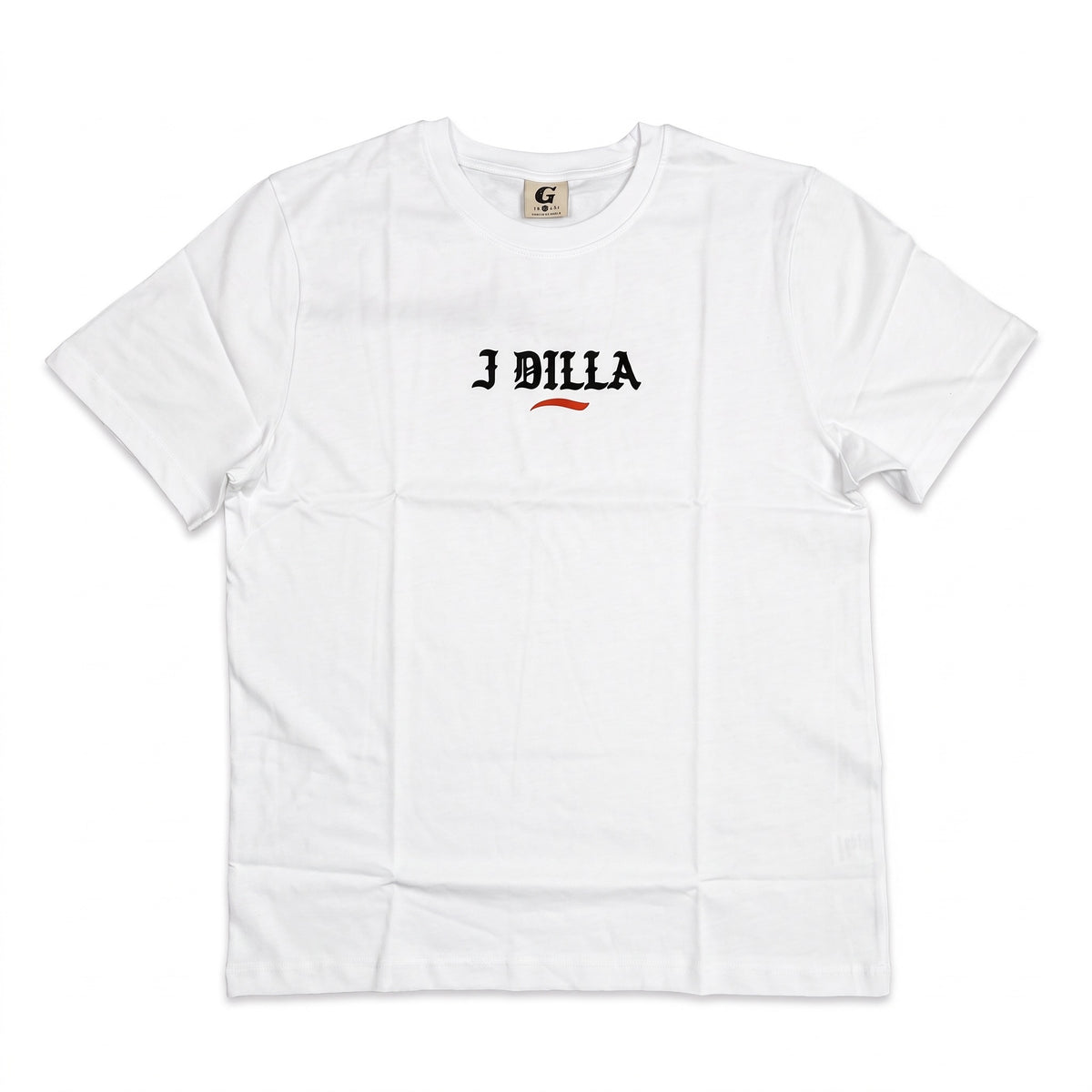
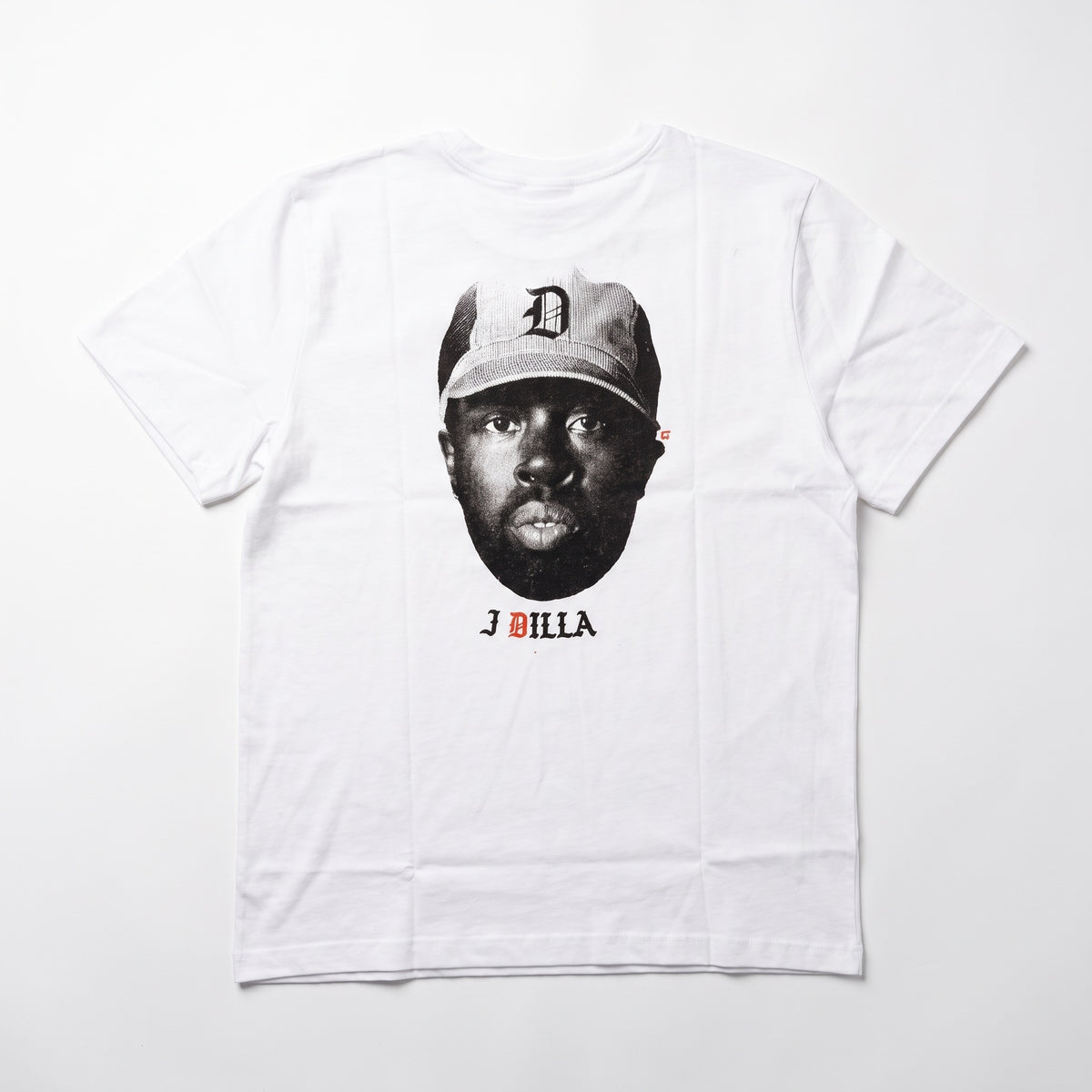
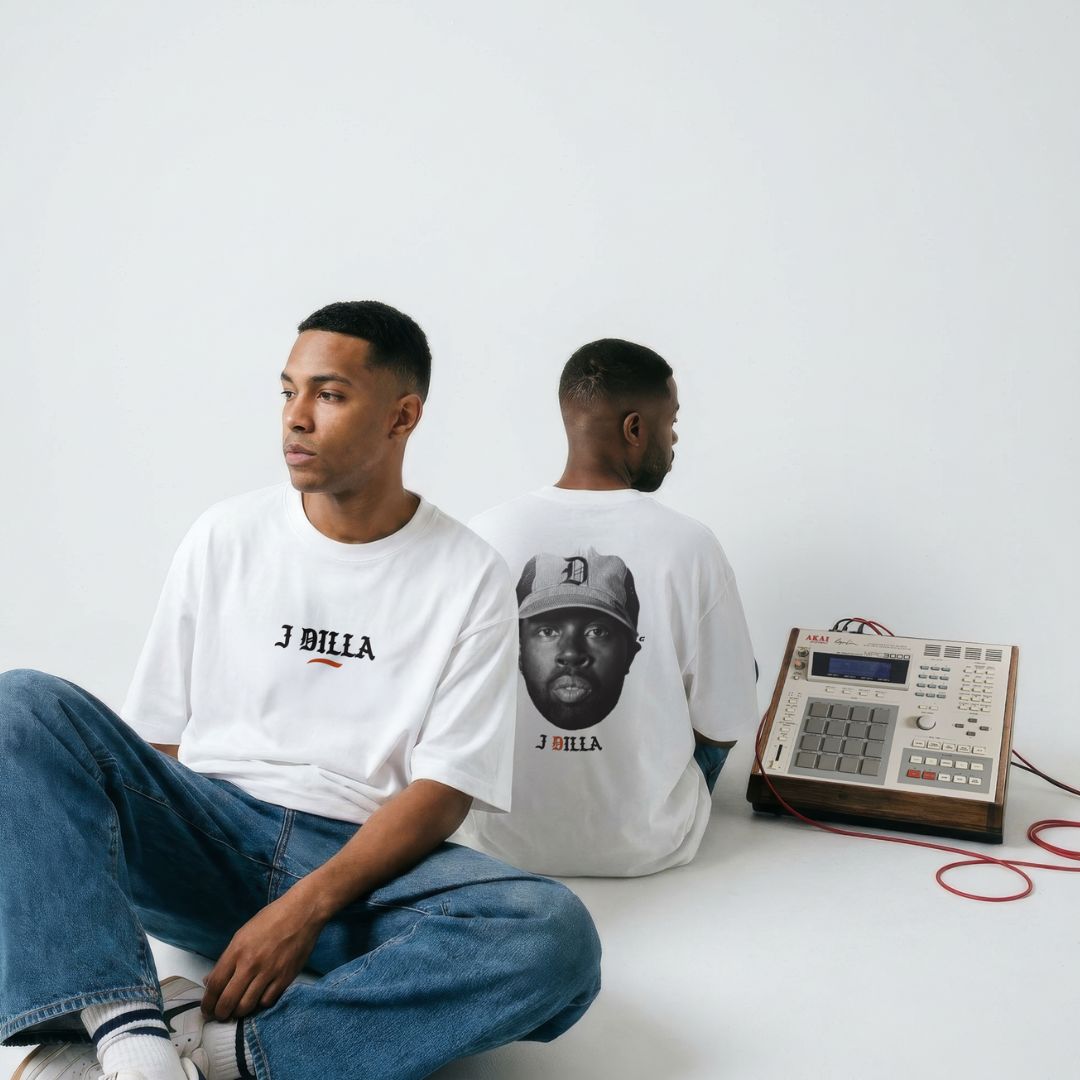
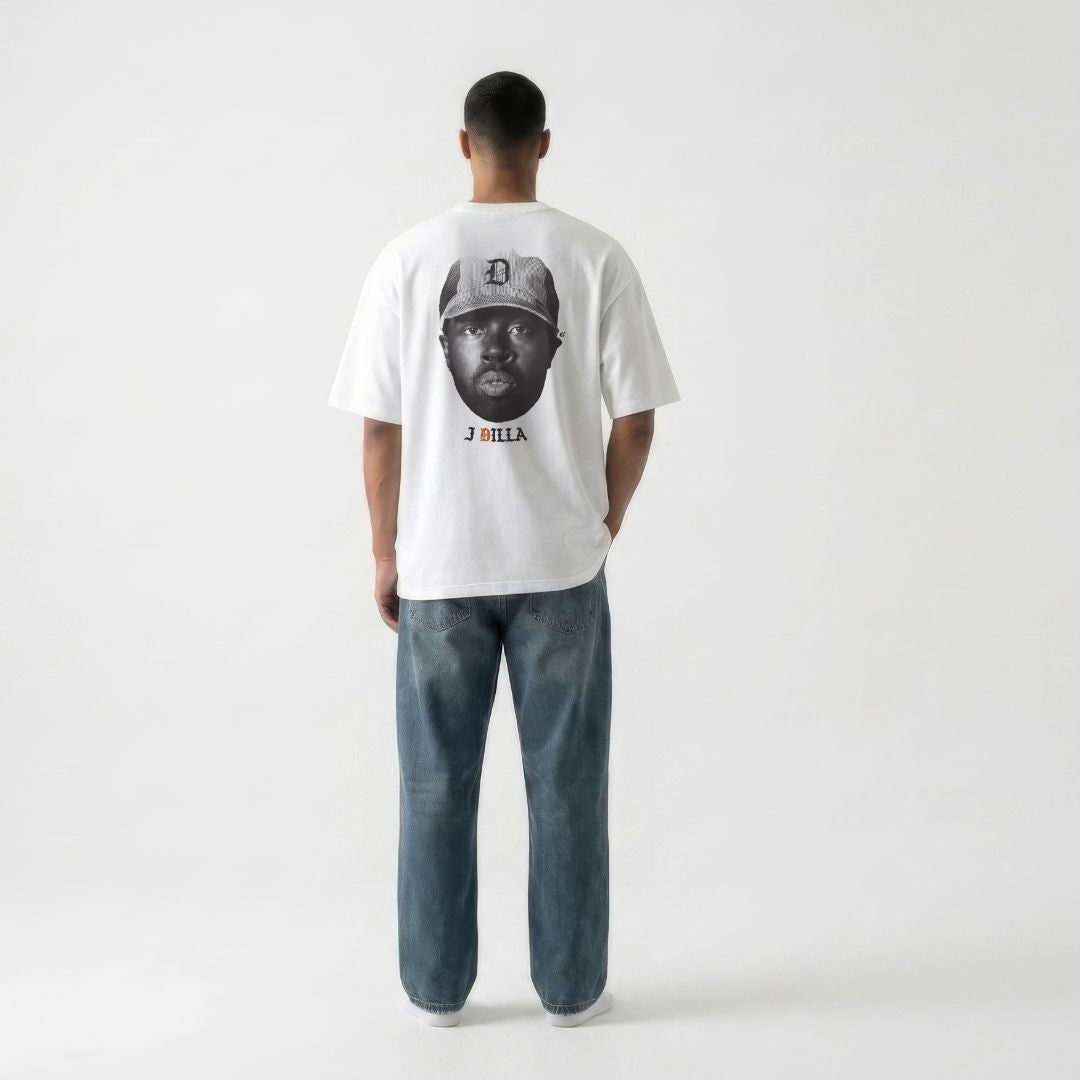
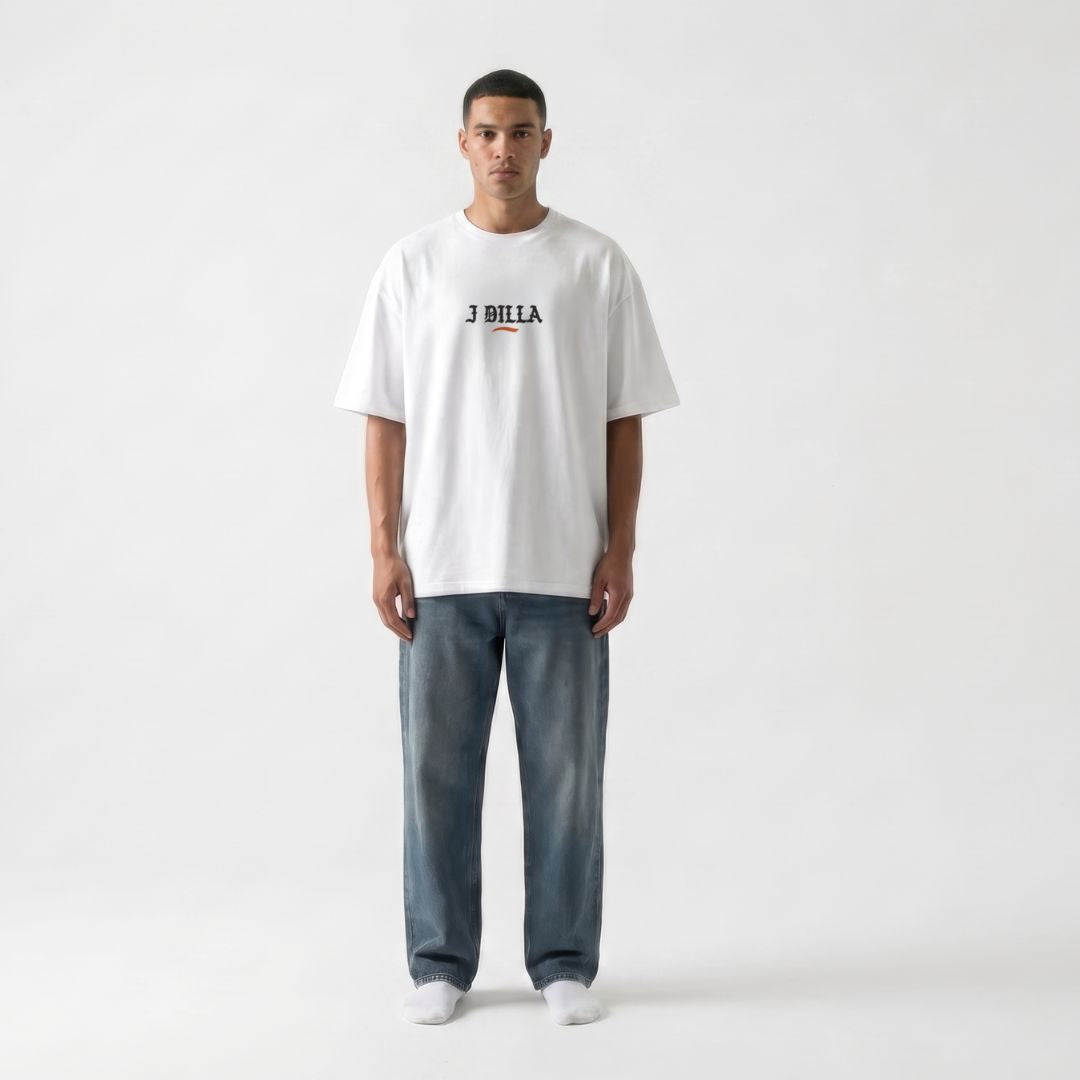

White oversized heavyweight T-shirt "J Dilla" text on the front.
Halftone portrait of J Dilla on the back.
Every shirt supports the James Dewitt Yancey Foundation, which provides music equipment to talented children.
Made in collaboration with Ma Dukes and Vicebeats.
Want to do more? Support the foundation at
jamesdyanceyfoundation.org
Very heavy high quality cotton.
Oversized fit: when in doubt, order size lower.
(Size L/XL? Order L)
All J Dilla Goods


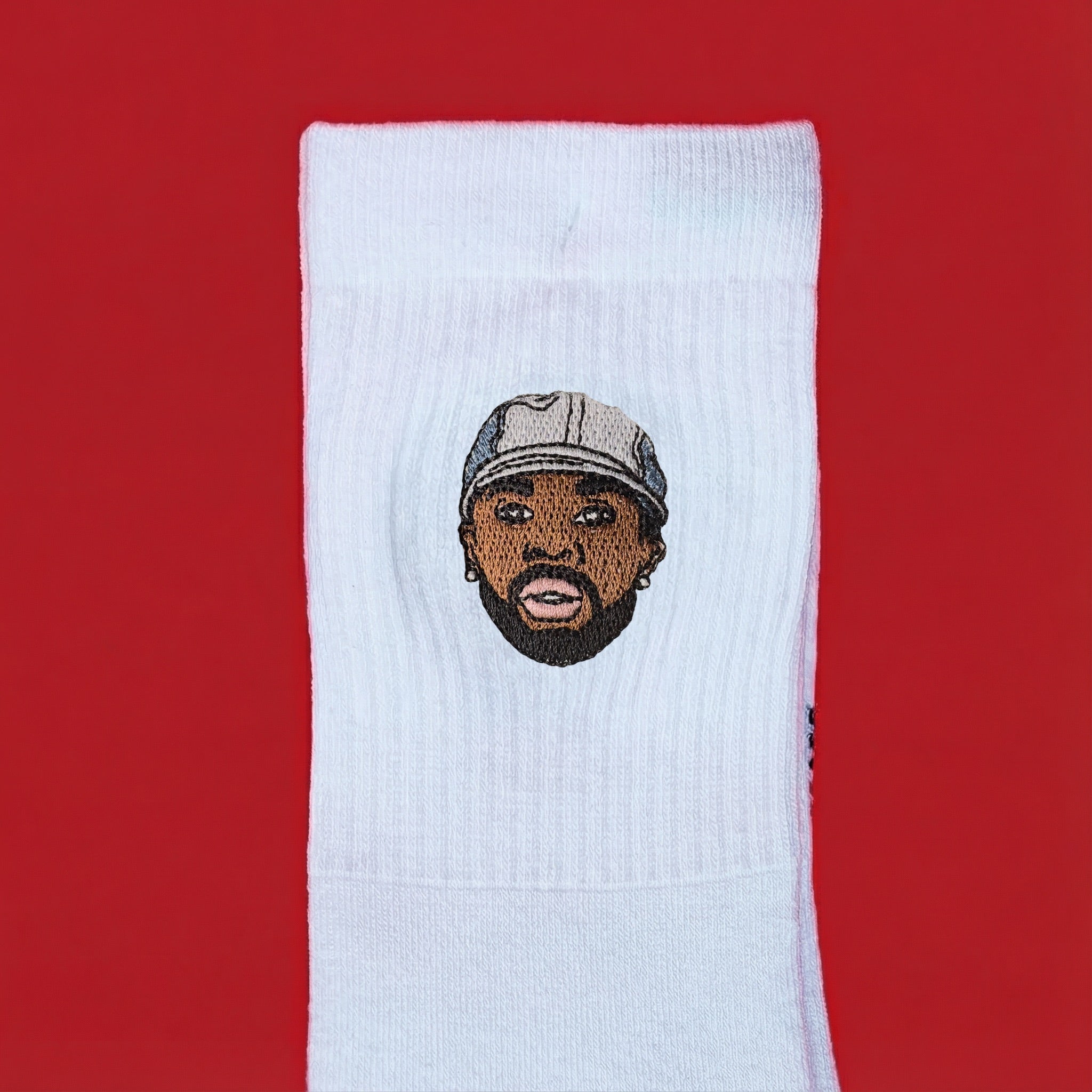
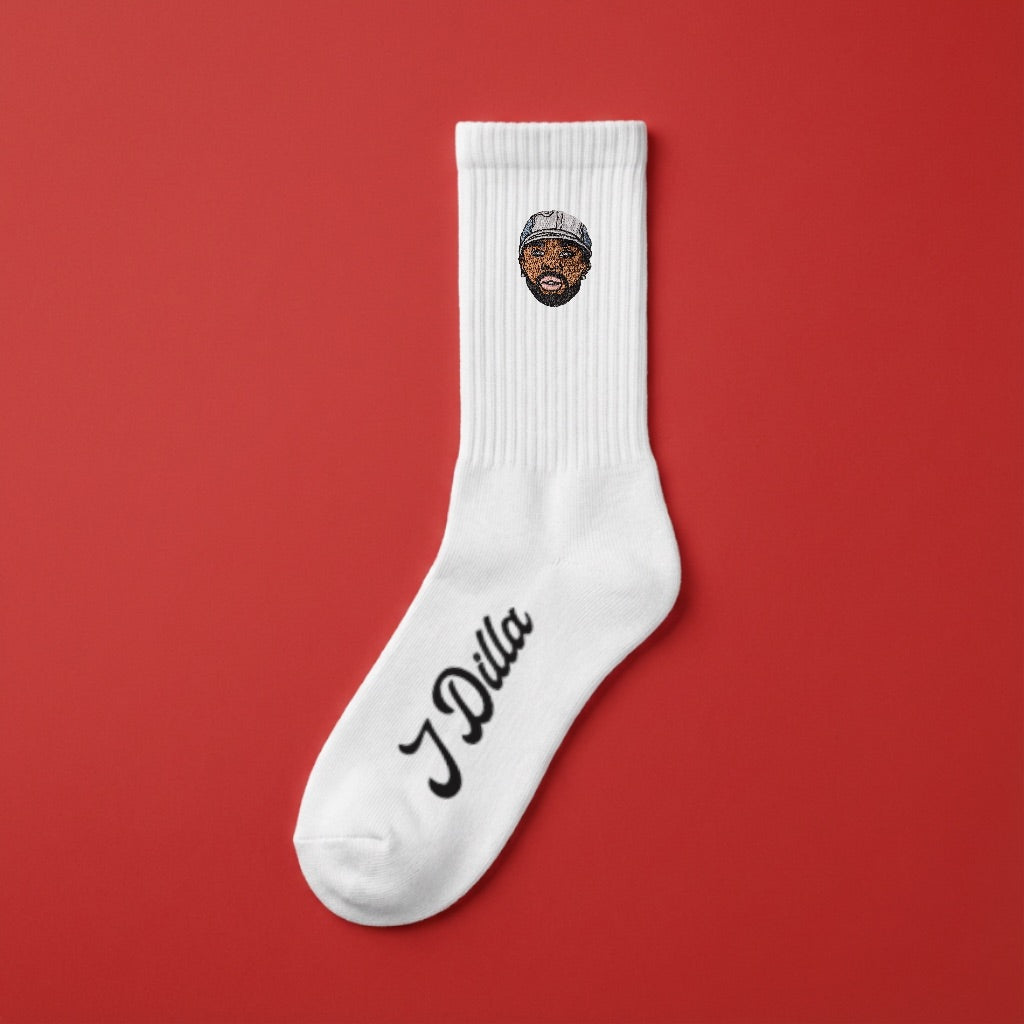
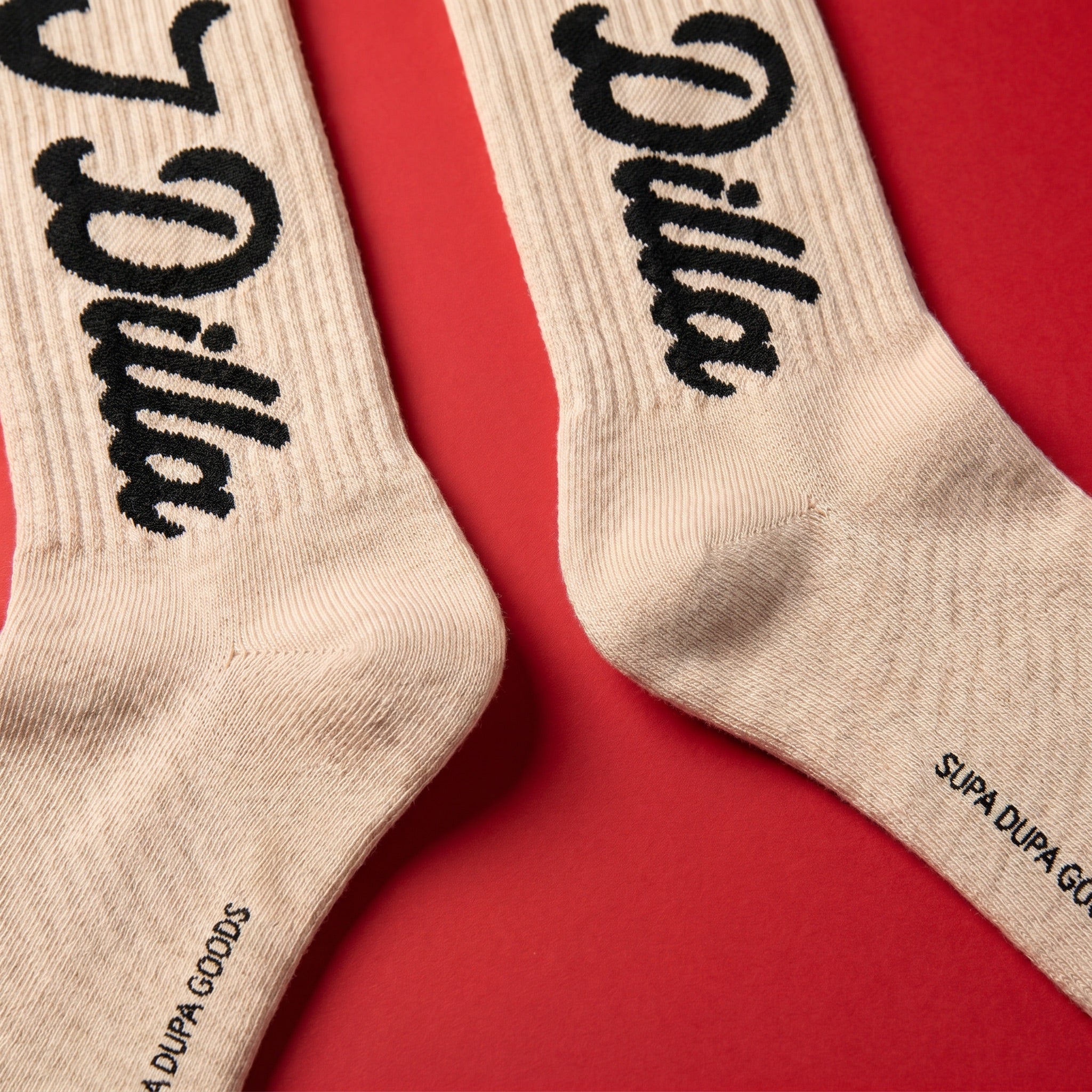
An Afternoon of
We honor the legacy of J Dilla by supporting the An Afternoon of Dilla fundraising events.
These products are made possible by The James Dewitt Yancey Foundation, Vicebeats and Ma Dukes.
Every J Dilla product sold, supports the James Dewitt Yancey Foundation, which provides music equipment to talented children.

1995
PAY JAY
J Dilla was first known as Jay Dee, running his business under the name Pay Jay Productions.
In 1995 his remix work for The Pharcyde began circulating among people who paid close attention to credits: "Who is this producer?", "How did he made those beats?".
I mean, listen to that BEAT!
1996
Slum Village
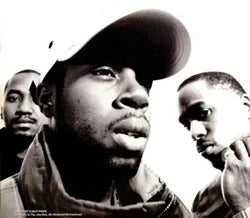
At home he had Slum Village, the group he'd formed with T3 and Baatin. Their debut Fan-Tas-Tic travelled hand to hand on tape around Detroit long before the industry worked out what to do with them.
1995
The Ummah
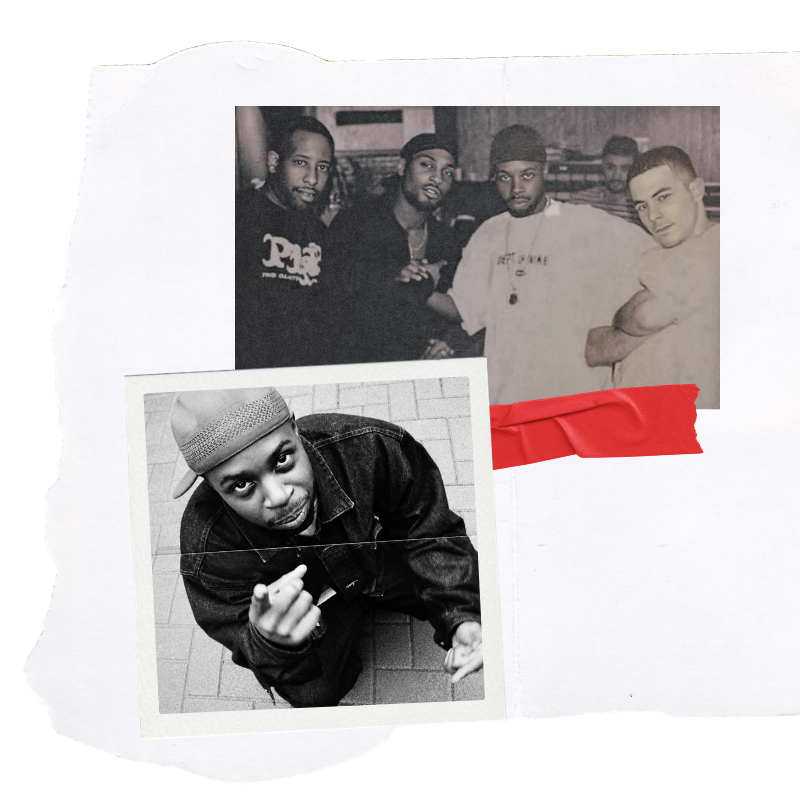
Around the same time Q-Tip heard what he was doing and brought him into The Ummah, the production unit he ran with Ali Shaheed Muhammad, and the drag in Yancey's drums found its way onto A Tribe Called Quest records.
2001
J Dilla
He took the name J Dilla around 2001 and released Welcome 2 Detroit, then Ruff Draft, then Champion Sound alongside Madlib as Jaylib, and eventually moved to Los Angeles.
2005
The Soulquarians
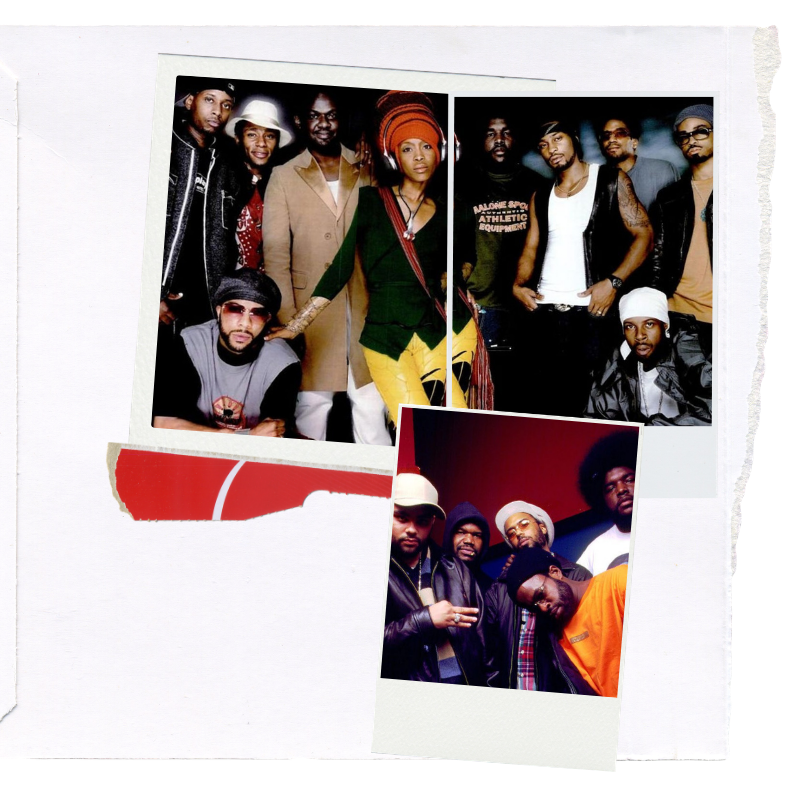
At the turn of the century a loose collective gathered at Electric Lady Studios in New York.
D'Angelo, Questlove, Common, Erykah Badu, James Poyser, Q-Tip, Bilal, Mos Def and Yancey's rhythmic thinking ran through much of what came out of those sessions. Voodoo, Like Water for Chocolate and Mama's Gun all carry it.
The most consequential thing to happen in that room had nothing to do with a sampler. Questlove spent those years teaching his hands to reproduce what the MPC was doing, playing deliberately behind the beat night after night until it became instinct. That is the moment the feel escaped the machine and entered the vocabulary of live drummers.

2006
His passing
Not long after, he was diagnosed with a rare blood disorder and with lupus, and he kept working through both.
Much of Donuts was assembled in and around a hospital bed with a crate of 45s and a small sampler. It was released on February 7, 2006, his thirty-second birthday. He died three days later.
Current
J Dilla's legacy lives on
Two decades on, his influence is close to ambient.
Drummers around the world now play late on purpose. Music schools teach the feel. His MPC3000 and Minimoog were donated to the Smithsonian's National Museum of African American History and Culture in 2014.
February 7th is observed as Dilla Day, and his mother, Maureen "Ma Dukes" Yancey, has spent the years since her son's death making sure his name stays where it belongs.
Current
The James Yancey Dewitt Foundation
We honor the legacy of J Dilla by supporting the An Afternoon of Dilla fundraising events.
These products are made possible by The James Dewitt Yancey Foundation, Vicebeats and Ma Dukes.
Support the foundationAll J Dilla Goods